These rivers often form terrace deposits, floodplain sediments, and channel bars, which are the primary sources of extractable river stone.
River stones in Ghana are generally highly suitable for construction applications due to:
A river stone crushing and screening project in Ghana is typically designed to convert raw alluvial materials into standardized construction aggregates.
Most commercial projects in Ghana fall in the 100–300 TPH range, balancing investment cost and market demand.
Budget, Site Conditions, and Logistics Challenges
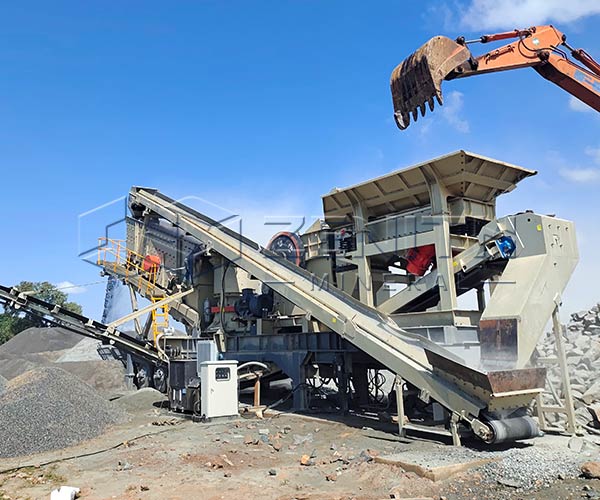
A standard river stone crushing and screening line is designed for efficiency, minimal downtime, and closed-circuit operation to maximize yield. River stones, being relatively softer and rounded, process well with lower wear on equipment compared to granite. A typical 100–300 TPH line includes the following stages:
Raw river stones (up to 500 mm) are loaded into a hopper. A grizzly or vibrating feeder removes fines and evenly feeds material to the primary crusher, preventing blockages and ensuring steady flow. This stage handles variable feed from stockpiles or direct excavation.
The jaw crusher reduces large stones to 100–200 mm. Its robust design handles abrasive or clayey river material effectively. For river stones, a single-toggle jaw offers high capacity and reliability.
Material then enters a cone crusher for further reduction to desired intermediate sizes. Cone crushers excel at producing cubical particles with good reduction ratios. In some configurations, an impact crusher supplements for softer fractions or shaping. For sand production, a vertical shaft impactor (VSI) may be added as a tertiary stage.
Multi-deck vibrating screens separate material into specified fractions (e.g., 0–5 mm, 5–10 mm, 10–20 mm, 20–40 mm). Oversize returns via belt conveyors for re-crushing in a closed circuit, improving efficiency and product consistency. Washing screens or sand washers can be integrated for cleaner outputs.
A network of inclined and horizontal belt conveyors transports material between stages and to radial stackers for stockpiling finished products. This minimizes manual handling and enables automated operation.
The entire flow is controlled via a centralized PLC system for monitoring throughput, adjusting settings, and ensuring safety. Dust suppression (water sprays) and noise controls address environmental needs.
For 100–300 TPH, modular or mobile designs allow relocation as deposits deplete, while fixed plants suit long-term sites.
Typical layout: feeder → jaw → cone → screen → conveyors, with optional VSI for finer sand.
Energy efficiency is key; modern plants incorporate variable frequency drives and optimized chamber designs to reduce power consumption, important in regions with grid limitations.
By adjusting screen meshes and crusher settings, the plant can shift ratios to match market needs (e.g., more sand during housing booms or coarser aggregates for roads). Output quality emphasizes low flakiness, consistent grading, and durability, often enhanced by washing to remove impurities.
With recycled aggregates gaining traction (at discounts), river stone plants complement by providing virgin material of consistent quality. Products support sustainable development by utilizing renewable alluvial resources responsibly.
We have jaw crushers, impact crushers, cone crushers, sand makers and so on.
Mon - Sun, 0:00 - 24:00
24h Online Service
© Zenith. All Rights Reserved. Designed by

 WhatsAPP 24h online service


 24h Online Chat


